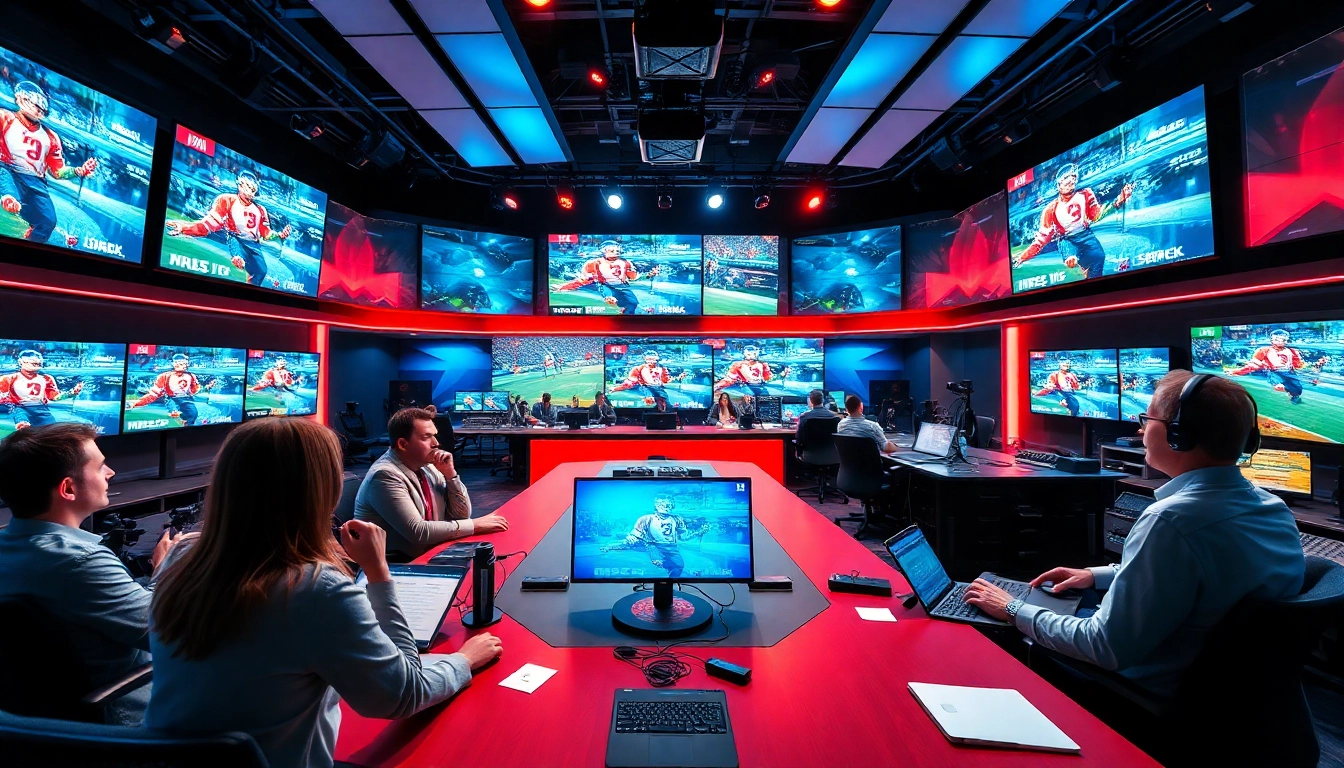
Introduction to Sports Broadcasting
Sports Broadcasting refers to the transmission of sports events through various means of communication, primarily television, radio, and the internet. This sector has grown exponentially over the past few decades, not only in reach but also in its impact on how fans engage with their favorite sports. The rise of digital technology has transformed Sports Broadcasting, allowing audiences to consume content in diverse formats, from live telecasts to streaming services. Understanding the intricacies of sports broadcasting unveils its vital role in the modern sports industry.
What is Sports Broadcasting?
At its core, Sports Broadcasting encompasses the live or recorded coverage of sporting events, complete with commentary, analysis, and additional content aimed at engaging audiences. It is conducted over various media channels, ranging from traditional television networks to online streaming platforms and social media. The primary purpose of sports broadcasting is to bring the action and excitement of sports directly into homes, making it accessible to millions of viewers worldwide.
Evolution of Sports Broadcasting
From its inception in the early 20th century, sports broadcasting has undergone significant changes. The journey began with radio broadcasts, where sports fans would tune in to listen to play-by-play coverage. The introduction of television in the mid-20th century revolutionized the industry, providing viewers with a visual feast. The 1990s witnessed further transformations with the advent of cable sports networks, expanding programming availability and quality. Today, with high-definition broadcasts and digital streaming, sports broadcasting is at the forefront of media innovation, changing how fans engage with sports.
Importance of Sports Broadcasting Today
Sports broadcasting plays a pivotal role in shaping the global sports landscape. It not only drives fan engagement but also generates significant revenue through advertising, sponsorships, and subscription models. Moreover, sports broadcasts foster a unique sense of community among fans, allowing them to share experiences and emotions even from afar. As a result, it’s become a powerful tool for promoting sports culture and enhancing the visibility of athletes and events on a global scale.
Types of Sports Broadcasting
Live Sports Events Coverage
Live sports event coverage is perhaps the most recognizable form of sports broadcasting. This includes real-time telecasts of games, matches, and tournaments across various sports. Technologies have evolved to enhance these broadcasts, incorporating multiple camera angles, instant replays, and expert commentary to provide viewers with an immersive experience. The ability to watch an event unfold live has contributed to the growth of sports fandom and the overall spectator experience.
Sports News and Analysis Shows
In addition to live events, sports broadcasting includes news and analysis segments that offer insights into sports. These shows feature expert opinions, player interviews, and highlights from recent games. They provide context to the events by discussing performances, strategies, and implications for future competitions. Such segments help fans stay informed and engaged, deepening their understanding of the sports they love.
Special Features and Documentaries
Beyond live coverage and news analysis, sports broadcasting encompasses special features and documentaries that delve deeper into sports narratives. These programs often highlight athlete journeys, historic events, and social issues related to sports. They play a crucial role in education and advocacy, sparking conversations about diversity, equity, and inclusion within the sports community. By showcasing personal stories and broader themes, these broadcasts enrich the viewing experience and foster a more profound connection with fans.
Key Technologies in Sports Broadcasting
Cameras and Equipment Used
The quality of sports broadcasting significantly hinges on the technology used. High-definition cameras capture every moment with remarkable clarity, while 360-degree cameras offer unique perspectives of the action. Innovations such as drones and robotic cameras enable dynamic shots that were previously unattainable. Additionally, audio equipment has advanced to deliver crisp commentary and ambient sounds, enhancing the live experience for viewers.
Streaming Technology Innovations
The rise of streaming technology has revolutionized how sports content is delivered. Services like OTT (over-the-top) platforms allow fans to watch their favorite sports on-demand, eliminating the constraints of traditional broadcasting schedules. Innovations such as adaptive bitrate streaming ensure high-quality viewing experiences regardless of bandwidth fluctuations. Furthermore, interactive features like multi-camera angles and real-time statistics enrich viewer engagement and satisfaction.
Graphics and On-Screen Displays
Modern sports broadcasts heavily rely on graphics and on-screen displays to provide essential information during events. Graphics convey statistics, player information, and play summaries, enhancing viewer comprehension. Furthermore, real-time updates about scores, fouls, and game clock contribute to the broadcast’s dynamism. Advanced graphic technologies produce visually appealing presentations that captivate viewers and keep them informed.
The Role of Sports Commentators and Analysts
Skills Required for Sports Broadcasting
Sports broadcasters, including commentators and analysts, must possess a mix of skills to succeed. Strong verbal communication is paramount, as commentators convey excitement and details in real time. In-depth sports knowledge is also essential, allowing analysts to provide coherent insights and contextualize the action. Furthermore, adaptability is crucial, as broadcasters must respond to unscripted moments and evolving narratives throughout an event.
Building a Narrative in Broadcasting
Successful sports broadcasting hinges on the ability to weave compelling narratives. Commentators and analysts must frame events, highlighting key storylines and character arcs that resonate with fans. Building narratives involves understanding the sport, the players’ journeys, and the larger context of the competition. By crafting stories that engage viewers emotionally, sports broadcasters enhance the overall experience, fostering loyalty and interest in the sport.
Engaging with the Audience Effectively
Effective audience engagement is integral to successful sports broadcasting. Commentators frequently interact with viewers by addressing common sentiments and providing relatable commentary. Social media also plays a vital role here, as broadcasters engage with fans during broadcasts, acknowledging their thoughts and fostering a sense of community. Encouraging viewer participation, such as through polls or fan reactions, enriches the experience and expands viewership interaction.
Future Trends in Sports Broadcasting
The Impact of Social Media on Sports Broadcasting
Social media has become an influential platform for sports broadcasting, altering how content is consumed and shared. Broadcast networks use platforms like Twitter, Instagram, and Facebook to share highlights, engage fans, and promote upcoming events. Live-tweeting during games and sharing behind-the-scenes footage enhance viewer connection. Influencers and athletes also contribute to the narrative, creating organic engagement that transcends traditional media boundaries.
Virtual Reality in Sports Experiences
Virtual reality (VR) holds the potential to redefine sports broadcasting experiences. VR technology offers immersive environments where fans can feel as if they are in the arena, experiencing the game’s thrill firsthand. This technology can also enhance training and coaching by simulating real-game scenarios for athletes. As VR technology advances, it may become an integral part of the sports viewing experience, inviting fans deeper into the action.
Predictions for the Next Decade
The next decade in sports broadcasting is poised to witness remarkable changes driven by technological advancements. Expect increased customization options where fans can choose camera angles, commentaries, and statistics tailored to their preferences. Moreover, interactivity will rise, allowing spectators to engage in real time through augmented reality tools and mobile applications. The integration of data analytics will also enhance storytelling and fan engagement, shaping a new era of sports broadcasting that prioritizes user experience.
FAQs
What is Sports Broadcasting?
Sports Broadcasting involves the live or recorded coverage and commentary of sporting events over various media channels, including television and online platforms.
What are the different types of Sports Broadcasting?
It includes live coverage of events, sports news analysis shows, and special features or documentaries that provide deeper insights into sports.
How has technology changed Sports Broadcasting?
Advancements like streaming services, high-definition cameras, and innovative graphics have transformed how sports are presented and consumed.
What skills do sports commentators need?
Commentators require strong communication skills, extensive sports knowledge, and the ability to engage with audiences effectively and dynamically.
What does the future hold for Sports Broadcasting?
Trends suggest growth in social media engagement, virtual reality experiences, and enhanced interactivity for viewers, shaping future broadcasts.